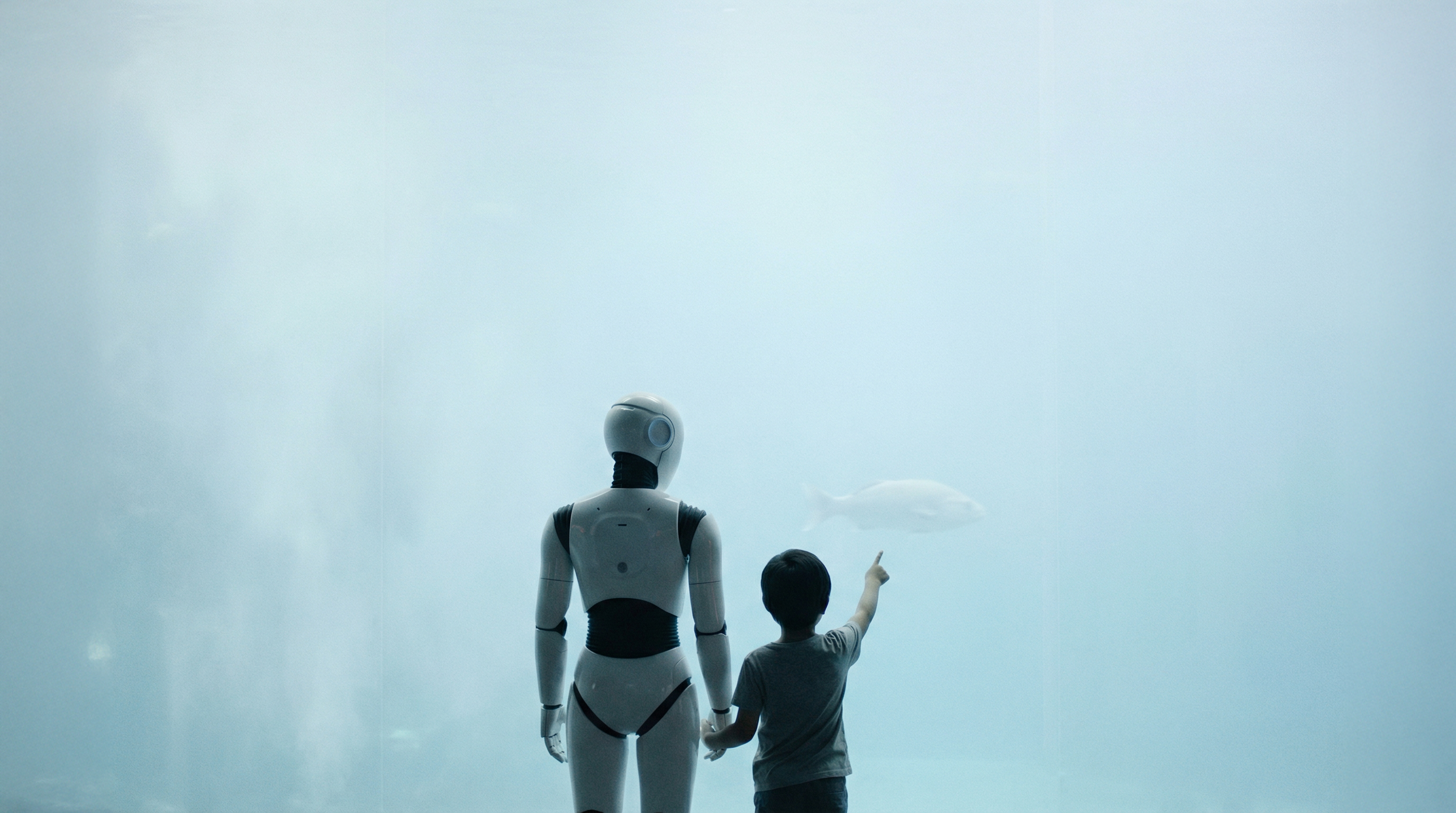
Data Engine
Oceanveo's Data Engine is the system behind how we collect, structure, validate, and deliver robotics training data. It is designed for physical environments, real human interaction, and the edge cases that determine whether AI systems hold up outside controlled conditions.
Infrastructure Stack
Five layers.
One system.
Each layer of the stack handles a distinct phase of the data pipeline — from collection to delivery.
Discovery
Our team of experts partner directly with your project leadership and/or engineers to understand the scope, motivation, and goal of the model(s) you're training. Together, we will outline a strict and unified ontology that provides rich data & a strong signal.
Scenario Engine
Design of task flows, edge cases, object interactions, and environmental conditions tailored to each client's use case.
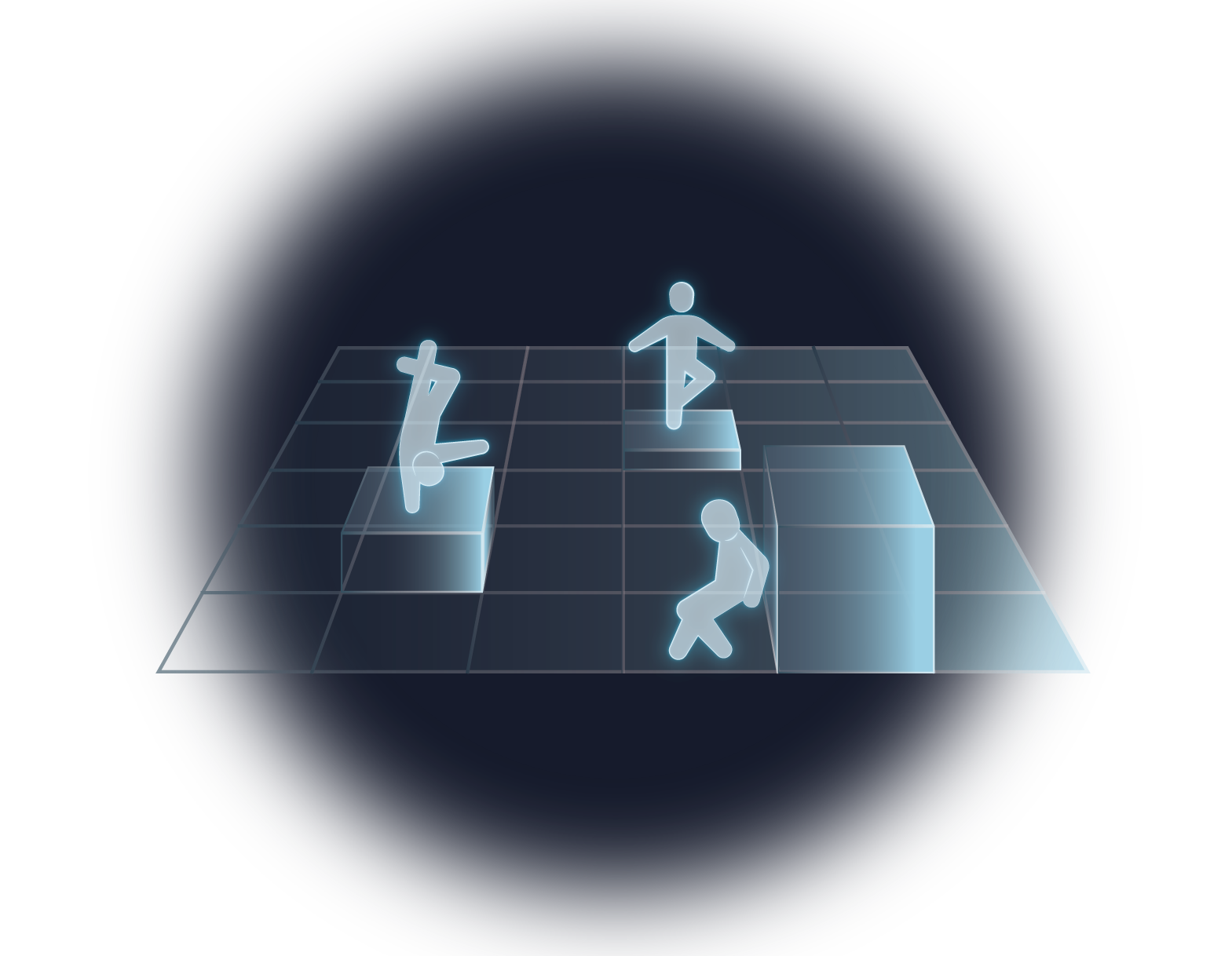
Training & Production
Adhering to the ontology we defined together, we rigourously train and test our data annotation team prior to entrusting them with training data. Only those with the highest quality labels & strongest understanding of the task move into production.

Quality Assurance
To guarantee a pristine dataset, labels go through a second pass of quality-assurance, creating a feedback loop for labelers to learn from - while simulataneously correcting errors found in the first pass. A tight feedback loop between our team and your engineering team is maintained to guarantee alignment, through frequent mid-task review sessions and data samples.
Delivery
Processed data is sent directly back to your organization in a format of your choice, ready for immediate consumption. Suggestions to further enrich your dataset are often provided, we work together with our partners to help push their technology forward faster.
For AI & Robotics Teams
The gap between a model that gets the job done and one that crushes expectations is not limited to model architecture - high quality, curated training data is the key to success.

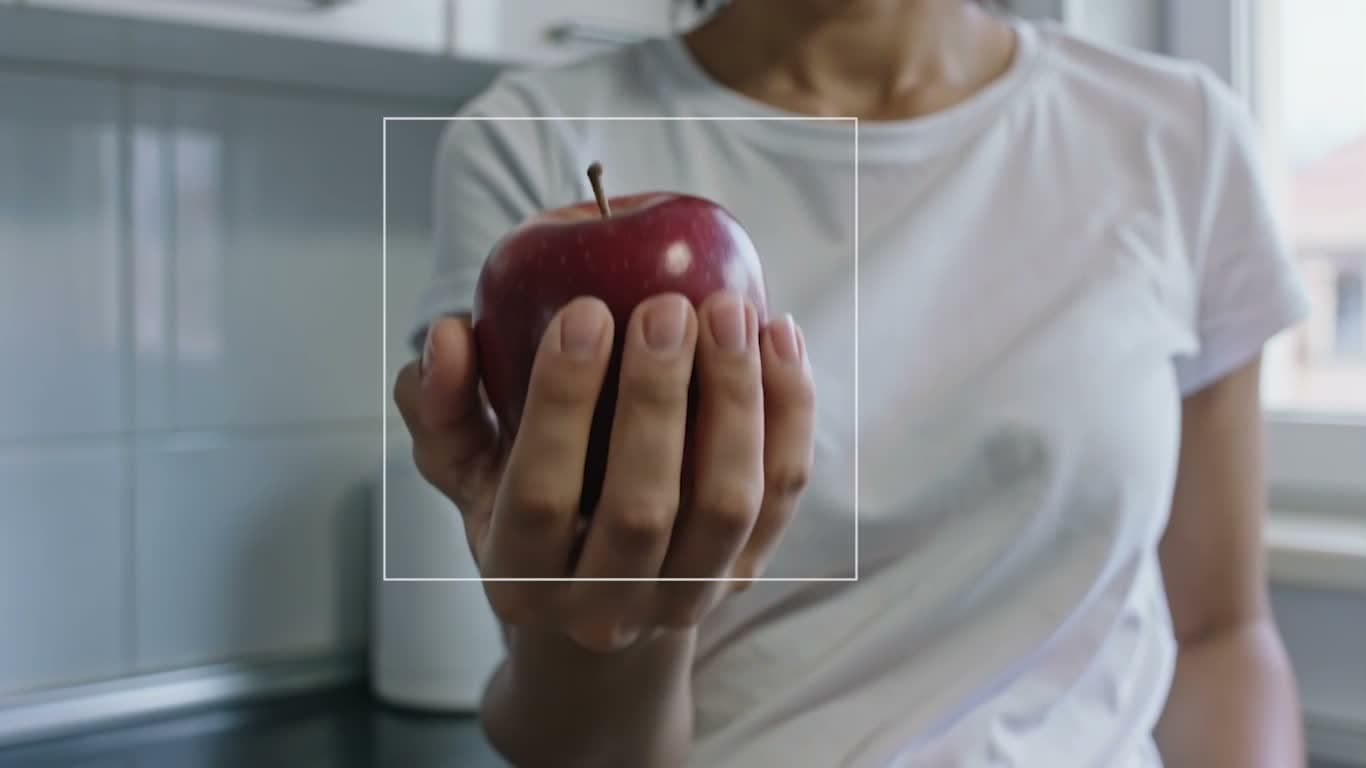
Human
Real human actions captured in natural environments — the raw foundation every model learns from.
First-person capture · Controlled environment
AI Intelligence
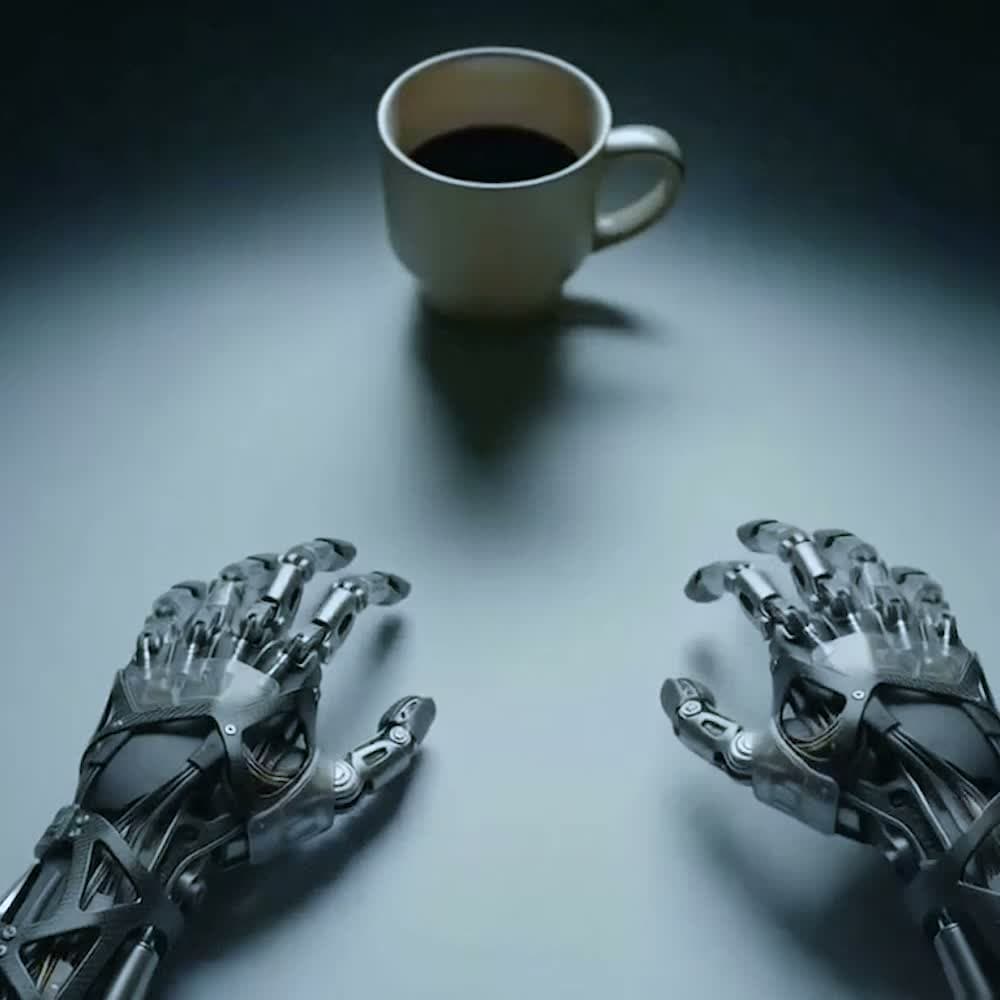
Structured perception and spatial reasoning — trained on the richness of real-world experience.
Robotic replication · Aligned behavior
Synthetic data and simulation are useful, but they cannot fully capture the variability, unpredictability, and physical nuance of real-world environments. Recreating rigid scenarios isn't sustainable for generalizing and to scale.